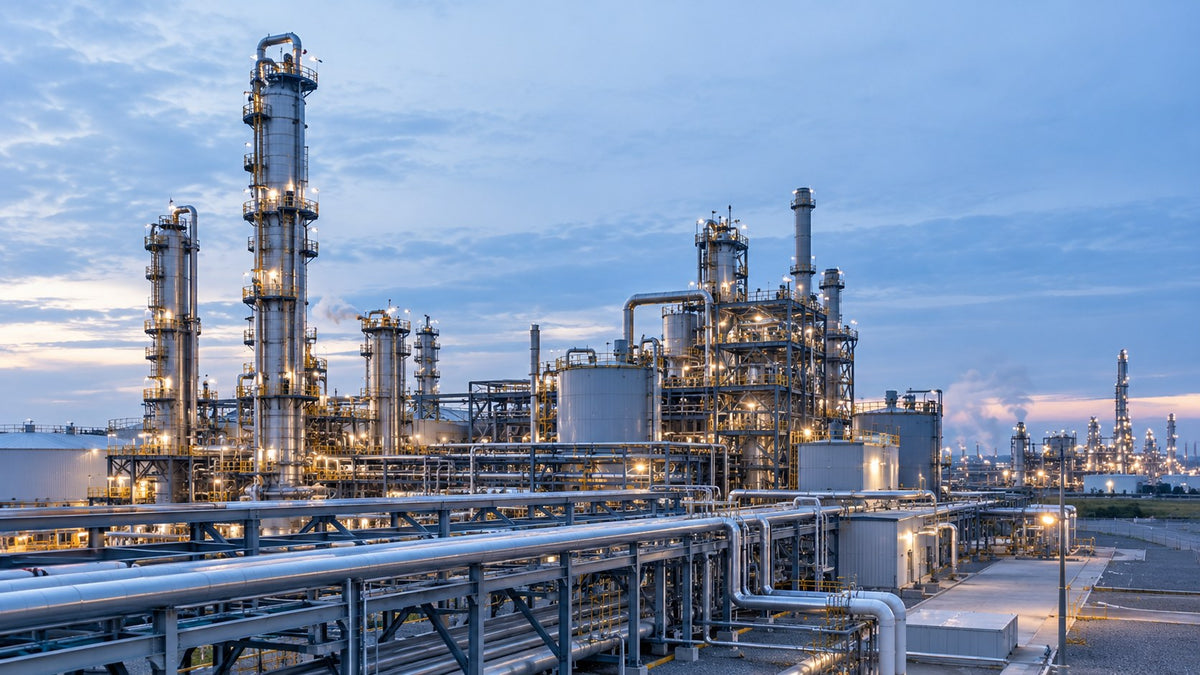
Chemical plant at blue hour with distillation columns, pipe racks and process units

Chemical Processing

PFA-Lined Valves for Chemical Processing Applications

Corrosion-Resistant Flow Control for Acids, Alkalis, Solvents, and Aggressive Media

Chemical processing plants handle some of the most aggressive substances found in industry—concentrated acids, caustic solutions, chlorinated solvents, and oxidizing agents that destroy conventional valve materials within months or even weeks. Equipment failures in these environments don't just mean downtime; they create safety hazards, environmental incidents, and costly remediation.

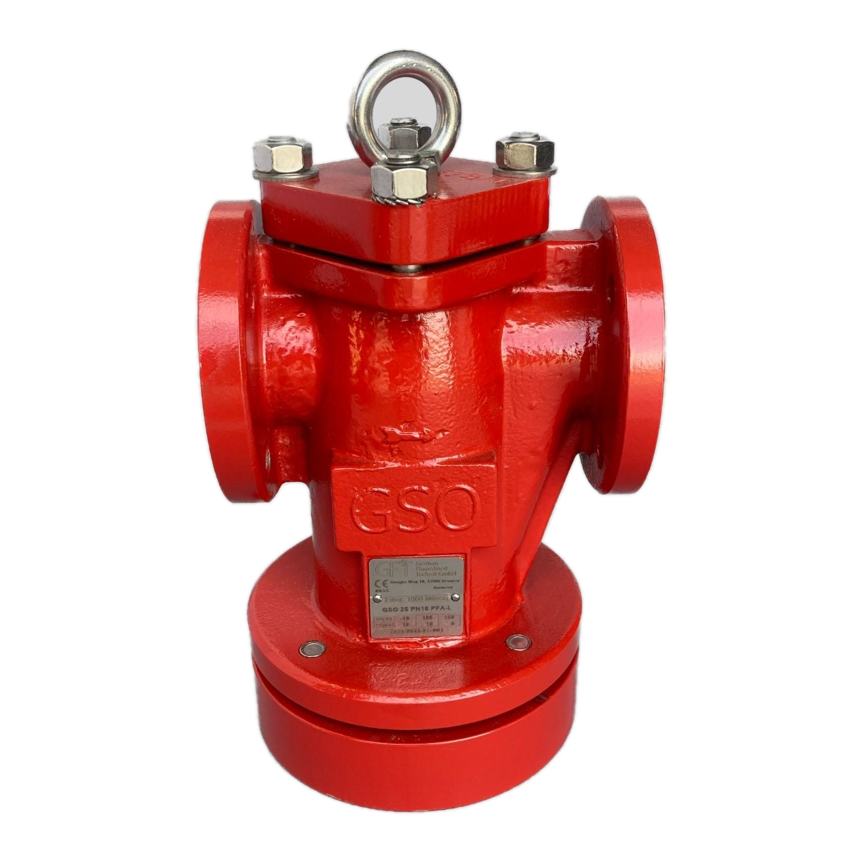
GFT9 manufactures PFA-lined ball, butterfly, swing check and ball check valves, control and diaphragm valves, sample valves, strainers and sight glasses for corrosive chemical service. Bodies are cast steel 1.0619 or stainless steel 1.4408 / 1.4409, depending on the line; the PFA lining separates the medium from the body.

GFT9 supplies PFA-lined valves to chemical plants, petrochemical facilities, water treatment operations and industrial manufacturers.

View Full Product Range

Why PFA

Why Chemical Processing Demands PFA-Lined Components

The chemical processing industry encompasses an extraordinary range of corrosive substances—mineral acids, organic acids, caustic solutions, halogenated compounds, oxidizers, and specialized solvents. Each presents unique challenges that conventional valve materials cannot address.

The Corrosion Challenge:

Mineral acids (hydrochloric, sulfuric, nitric, phosphoric, hydrofluoric) attack stainless steel, bronze, and most polymers. Caustic solutions (sodium hydroxide, potassium hydroxide) degrade many plastics and corrode aluminum. Chlorinated solvents dissolve elastomers and attack standard polymers. Oxidizing agents damage metals and degrade organic materials.

No single material handles this full spectrum. Fluoropolymers cover most of this range.

Why PFA

PFA (Perfluoroalkoxy Alkane) provides broad chemical resistance across most process chemicals:

• Resistant to mineral acids including hydrochloric, sulfuric, nitric and hydrofluoric acid; check concentration and temperature with us
• Resistant to caustic solutions; sodium hydroxide limits are in the table below
• Resistant to chlorinated solvents, aromatic hydrocarbons, and ketones
• Handles oxidizing agents including chlorine, bromine, and hydrogen peroxide
• Maximum temperature by line: +200 °C Spheron9, Papilon9, Prohibron9 · +180 °C Imperium9 · +150 °C Vibron9, Purion9, Videron9, Provaron9 · Membron9 per P-T diagram

GFT9 Engineering Advantages:

• Spheron9: one-piece PFA-lined ball-stem, two-stage blow-out protection
• Multiple body materials: carbon steel, stainless steel (1.4408)
• EN ISO 5211 actuator mounting (Spheron9), pneumatic (Imperium9), manual or actuated (Membron9)
• Manufactured in Germany; every valve tested to DIN EN 12266-1

Applications

Applications Across Chemical Manufacturing

Chemical processing encompasses numerous sectors, each with distinct process requirements but common needs for corrosion resistance and reliability. GFT9 products serve critical functions throughout these operations.

Inorganic Chemical Production

Manufacturing of acids (sulfuric, hydrochloric, nitric, phosphoric), alkalis (caustic soda, potash), industrial gases, and inorganic salts requires equipment that withstands both the primary product and process intermediates. PFA-lined valves handle concentrated acid feed, dilution systems, neutralization circuits, and product transfer.

→ Spheron9 ball valve, DN 15 – 200 · up to 16 bar · up to +200 °C · Papilon9 butterfly valve, DN 40 – 600 · 10 bar to DN 450, 6 bar DN 500 – 600 · up to +200 °C · Vibron9 swing check valve, DN 40 – 400 · up to 16 bar · up to +150 °C · Imperium9 control valve, DN 15 – 100 · up to 16 bar · up to +180 °C

Organic Chemical Synthesis

Petrochemical derivatives, solvents, intermediates, and specialty organics often involve aggressive reagents and elevated temperatures. PFA-lined components resist organic acids, chlorinated hydrocarbons, aromatic compounds, and mixed solvent systems typical of organic synthesis operations.

→ Spheron9 ball valve, DN 15 – 200 · up to 16 bar · up to +200 °C · Videron9 sight glass, DN 15 – 250 · 16 bar · up to +150 °C · Provaron9 sample valve, DN 25 – 80 · up to 16 bar · up to +150 °C

Chlor-Alkali Processing

Chlorine and caustic soda production creates one of the most demanding valve environments—wet chlorine attacks virtually all metals, while hot caustic destroys most polymers. PFA provides reliable service in brine systems, chlorine handling, caustic concentration, and hydrogen circuits.

→ Spheron9 ball valve, DN 15 – 200 · up to 16 bar · up to +200 °C · Papilon9 butterfly valve, DN 40 – 600 · 10 bar to DN 450, 6 bar DN 500 – 600 · up to +200 °C

Surface Treatment and Metal Finishing

Pickling, plating, anodizing, and etching operations use concentrated acids and specialized chemical baths. PFA-lined valves and strainers control flow of sulfuric, hydrochloric, phosphoric, chromic, and hydrofluoric acids without contaminating treatment solutions.

→ Purion9 T-strainer, DN 25 – 150 · PN 16 · −10 °C up to +150 °C · Membron9 diaphragm valve, DN 15 – 150 · pressure per size, see P-T diagram

Water and Wastewater Treatment

Chemical dosing systems for pH adjustment, disinfection, and coagulation handle concentrated acids, caustic, sodium hypochlorite, and specialty treatment chemicals. PFA-lined components provide consistent chemical resistance across the full range of treatment reagents.

→ Prohibron9 ball check valve, DN 15 – 200 · up to 10 bar · up to +200 °C · Imperium9 control valve, DN 15 – 100 · up to 16 bar · up to +180 °C · Membron9 diaphragm valve, DN 15 – 150 · pressure per size, see P-T diagram

Agrochemical Production

Fertilizer, pesticide, and herbicide manufacturing involves phosphoric acid, sulfuric acid, ammonia, and various organic intermediates. PFA-lined valves handle both bulk chemical streams and concentrated formulations.

→ Spheron9 ball valve, DN 15 – 200 · up to 16 bar · up to +200 °C · Prohibron9 ball check valve, DN 15 – 200 · up to 10 bar · up to +200 °C

Chemical resistance

Typical media and PFA resistance

MediumFormulaConcentrationMax. temp.Rating
Hydrochloric AcidHClUp to 37 %120 °C Excellent
Sulfuric AcidH₂SO₄Up to 98 %120 °C Excellent
Nitric AcidHNO₃Up to 70 %80 °C Excellent
Sodium Hydroxide (Caustic Soda)NaOHUp to 50 %120 °C Excellent
Phosphoric AcidH₃PO₄Up to 85 %120 °C Excellent
Sodium Hypochlorite (Bleach)NaOClUp to 15 %60 °C Excellent

PFA lining resists the acids, alkalis and oxidisers listed above; more media are in the PFA chemical resistance guide. Temperature limits shown are conservative for continuous service; the valve's own limit is its P-T rating. Contact us for your media and conditions.

Excellent full resistance, continuous service · Good suitable for most applications · Limited check the conditions with us. Ratings refer to the PFA lining; the valve's own pressure–temperature rating also applies.

Products
PFA-Lined Products for Chemical Processing

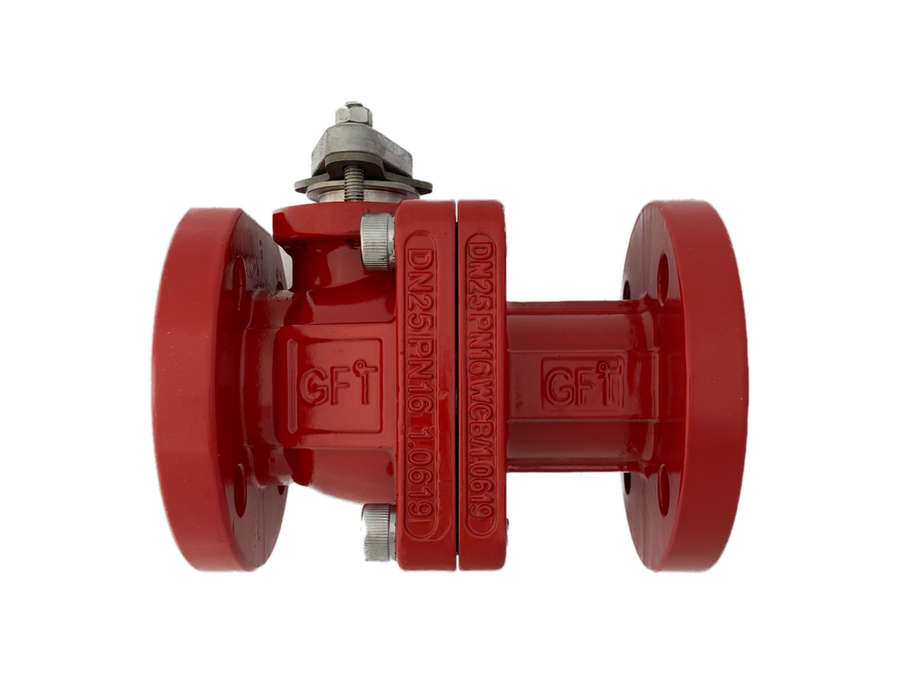
PFA-Lined Ball Valves — Spheron9

PFA-Lined Ball Valves — Spheron9

Full-bore isolation with a one-piece PFA-lined ball-stem and two-stage blow-out protection; manual or actuated.

DN 15 – DN 200 / NPS ½" – 8" · up to 16 bar · −10 °C (1.0619) or −60 °C (1.4408 / 1.4409) up to +200 °C, see P-T diagram · TA-Luft leakage class BH (DN 10 – DN 150, certified −20 °C to +180 °C) · actuator mounting to EN ISO 5211 · clean room version with electropolished 1.4408 body.

View Ball Valve Range →
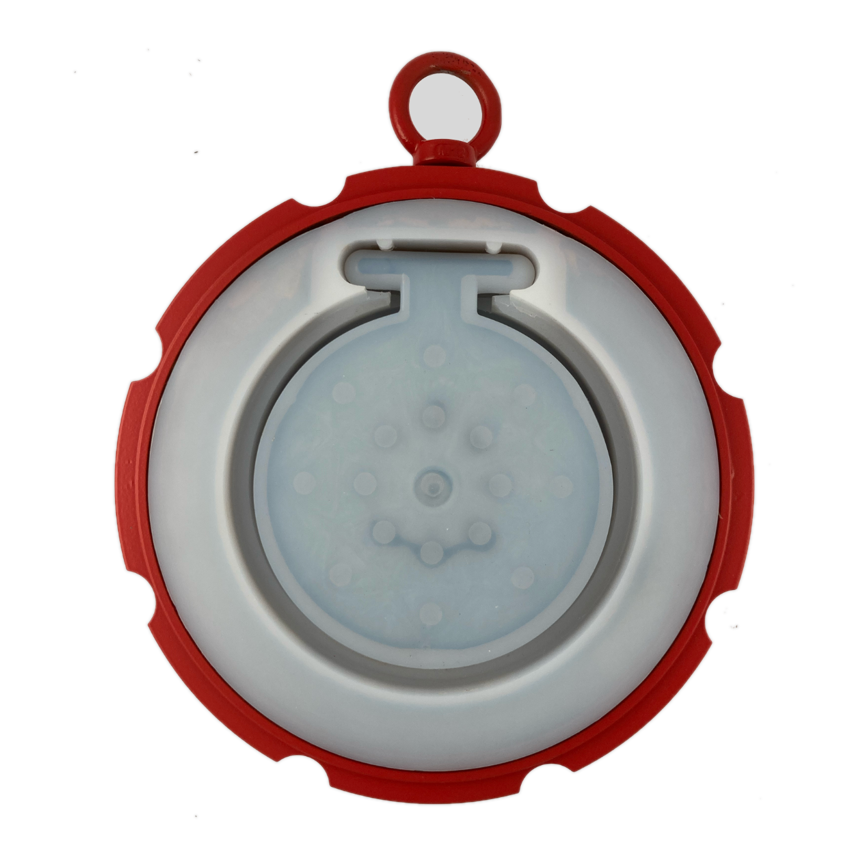
PFA-Lined Swing Check Valves — Vibron9

PFA-Lined Swing Check Valves — Vibron9

Swing check valves with PFA-lined body and disc against backflow on pump discharges and transfer lines.

DN 40 – DN 400 / NPS 1½" – 16" · up to 16 bar · −40 °C up to +150 °C · face-to-face EN 558-1 series 20.

View Swing Check Valve Range →
PFA-Lined T-Strainers — Purion9

PFA-Lined T-Strainers — Purion9

T-strainers with PFA-lined body and removable PTFE basket protect pumps, control valves and instruments.

DN 25 – DN 150 / NPS 1" – 6" · PN 16 · −10 °C up to +150 °C · ETFE mesh 85 – 2000 µm.

View Strainer Range →
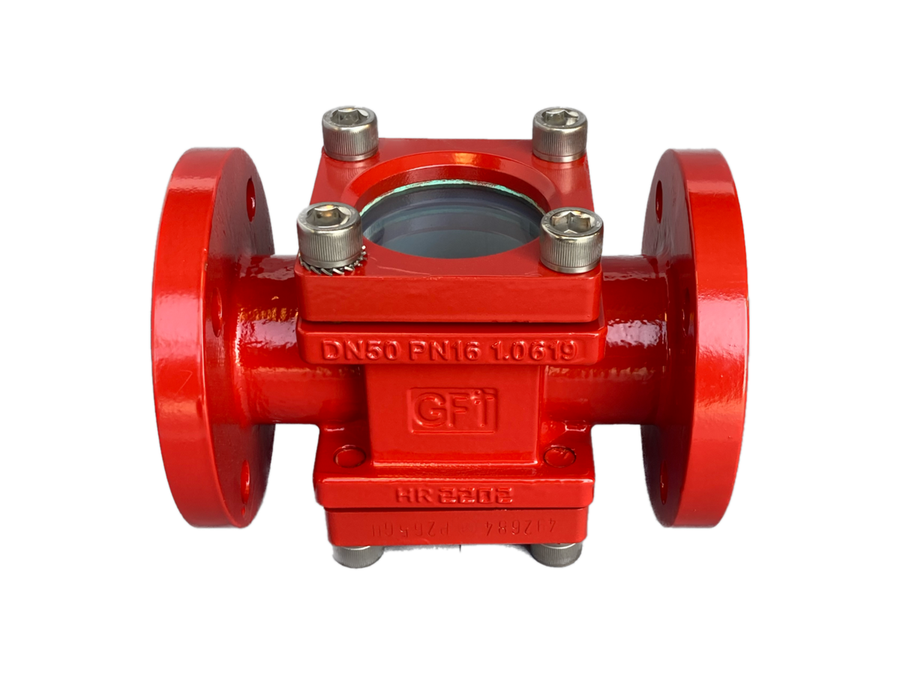
PFA-Lined Sight Glasses — Videron9

PFA-Lined Sight Glasses — Videron9

Visual control of flow, colour and level in lined lines; a fluoropolymer liner between glass and medium on request.

DN 15 – DN 250 / NPS ½" – 10" · 16 bar · −10 °C up to +150 °C · clean room version with electropolished 1.4408 body.

View Sight Glass Range →

Quality

Quality Assurance and Documentation

  • Every valve is tested before delivery to DIN EN 12266-1.
  • EN 10204 3.1 material certificates with heat numbers.
  • Pressure-bearing products designed and manufactured to PED 2014/68/EU; the Spheron9 ball valve additionally certified under Module A2 with notified body 0035 and type-tested to TA-Luft (leakage class BH, DN 10 – DN 150, certified −20 °C to +180 °C).
  • Made in Germany · country of origin Germany.

FAQ

Questions we are often asked

Which chemicals can PFA-lined valves handle?

Most acids, alkalis, oxidisers and solvents — sulphuric, hydrochloric, nitric and phosphoric acid, caustic soda, hypochlorite and most organic solvents. The limit is usually the valve's pressure-temperature rating, not the chemistry. Exceptions are molten alkali metals and elemental fluorine.

PFA or PTFE lining — what is the difference?

Both are fully fluorinated plastics with almost universal chemical resistance. PTFE cannot be melted, so PTFE liners are pressed and sintered. PFA can be melted, so we transfer-mould it into the valve body: the lining is dense, anchored in the body and follows complex shapes. If your specification says "PTFE-lined", a PFA-lined valve meets the same chemical duty — ask us for a comparison for your medium.

Which documents come with the valves?

Every valve is tested to DIN EN 12266-1 and ships with EN 10204 3.1 material certificates. Pressure-bearing products are designed and manufactured to PED 2014/68/EU; the Spheron9 ball valve is additionally certified under Module A2 and type-tested to TA-Luft.

Which PFA-lined valve goes where?

Isolation and tank outlets: Spheron9 ball valve, DN 15 – 200. Large lines: Papilon9 butterfly valve, DN 40 – 600. Pump discharges: Vibron9 swing check, DN 40 – 400, or Prohibron9 ball check, DN 15 – 200. Dosing and pH control: Imperium9 control valve, DN 15 – 100.

Discuss Your Chemical Processing Requirements

Whether you're specifying equipment for a new chemical facility, upgrading existing corrosion-prone systems, or sourcing replacement valves for maintenance, our technical team is ready to support your project.

We can provide:
• Chemical compatibility verification for your specific media
• Product selection based on your process conditions
• Custom configurations for special applications
• Technical support for specification development

Contact Options:

Email: sales@gft9.shop
Phone: +49 2152 9148591

Request a quotation through our online configurator, or contact us directly for complex applications.

Related: Chemical storage and tank farms · Sulfuric acid terminals · Water and wastewater treatment

Request Quotation →

Contact form