
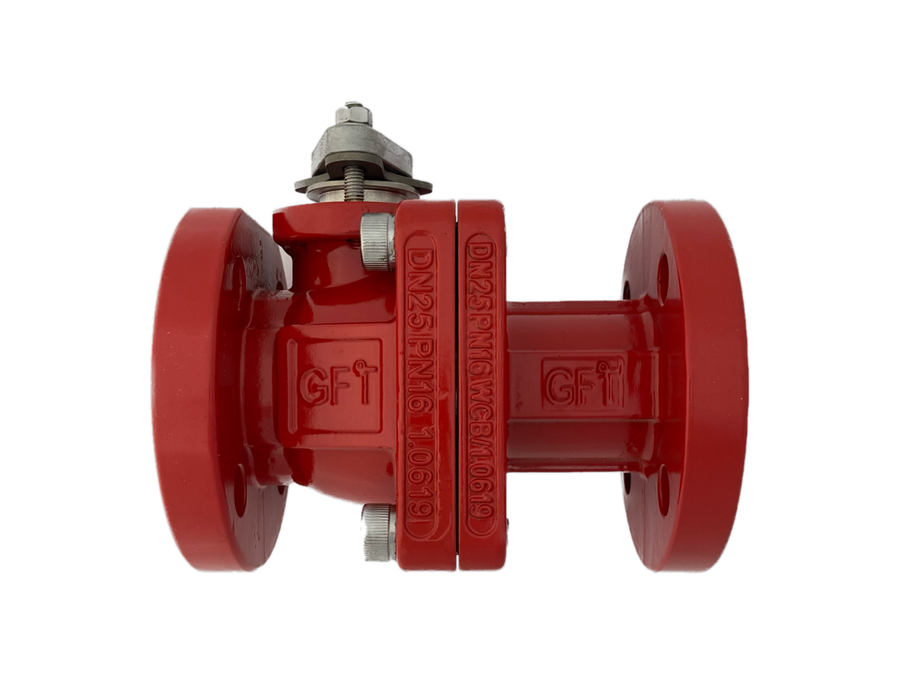
PFA-Lined Ball Valves — Spheron9
View Ball Valve Range →

Energy Sector
Corrosion-Resistant Flow Control for Hydrogen Production, Battery Manufacturing, and Hydrocarbon Processing
Why PFA
Applications
Chemical resistance
| Medium | Formula | Concentration | Max. temp. | Rating |
|---|---|---|---|---|
| Potassium Hydroxide | KOH | Up to 50 % | See valve P-T rating | Excellent |
| N-Methyl-2-Pyrrolidone | NMP (C₅H₉NO) | Pure | 100 °C | Excellent |
| Hydrofluoric Acid | HF | Up to 50 % | 100 °C | Excellent |
| Sulfuric Acid | H₂SO₄ | Up to 98 % | 120 °C | Excellent |
| Hydrochloric Acid | HCl | Up to 37 % | 120 °C | Excellent |
| Monoethanolamine | MEA (C₂H₇NO) | Aqueous solutions (gas treating) | 80 °C | Excellent |
Excellent full resistance, continuous service · Good suitable for most applications · Limited check the conditions with us. Ratings refer to the PFA lining; the valve's own pressure–temperature rating also applies.
Products
Quality
FAQ
In the potassium hydroxide electrolyte circuits of alkaline electrolysers, in make-up water and chemical dosing, and in battery production for NMP transfer and electrolyte handling. Tell us medium, concentration and temperature and we check the lining.
Both are fully fluorinated plastics with almost universal chemical resistance. PTFE cannot be melted, so PTFE liners are pressed and sintered. PFA can be melted, so we transfer-mould it into the valve body: the lining is dense, anchored in the body and follows complex shapes. If your specification says "PTFE-lined", a PFA-lined valve meets the same chemical duty — ask us for a comparison for your medium.
Every valve is tested to DIN EN 12266-1 and ships with EN 10204 3.1 material certificates. Pressure-bearing products are designed and manufactured to PED 2014/68/EU; the Spheron9 ball valve is additionally certified under Module A2 and type-tested to TA-Luft.
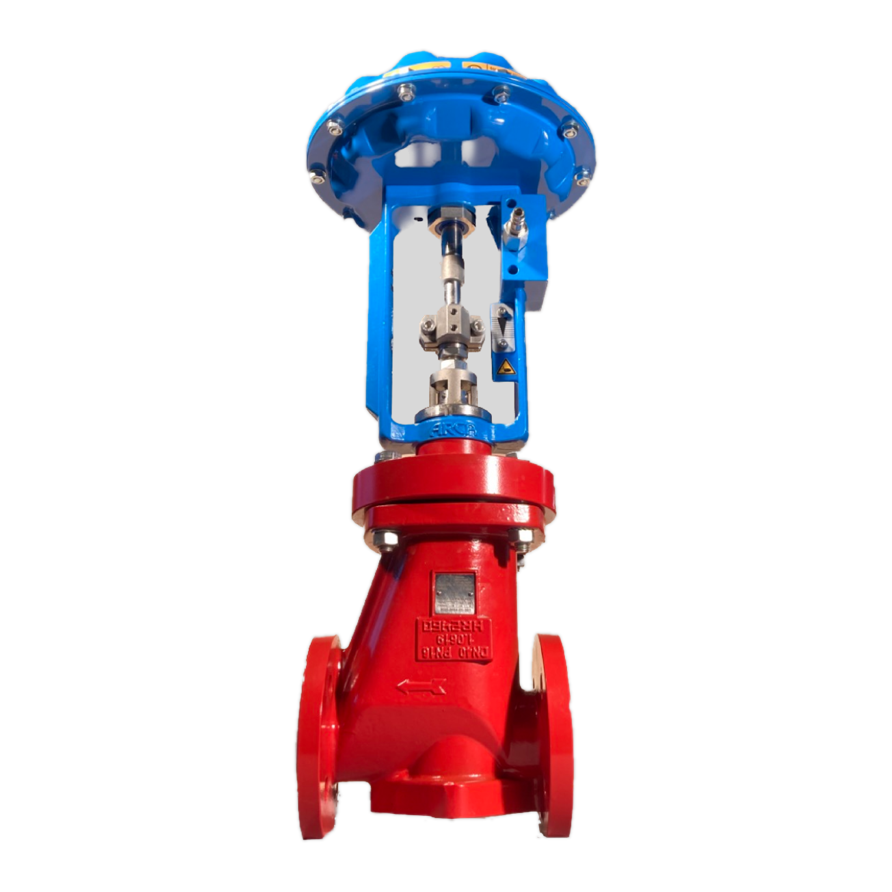
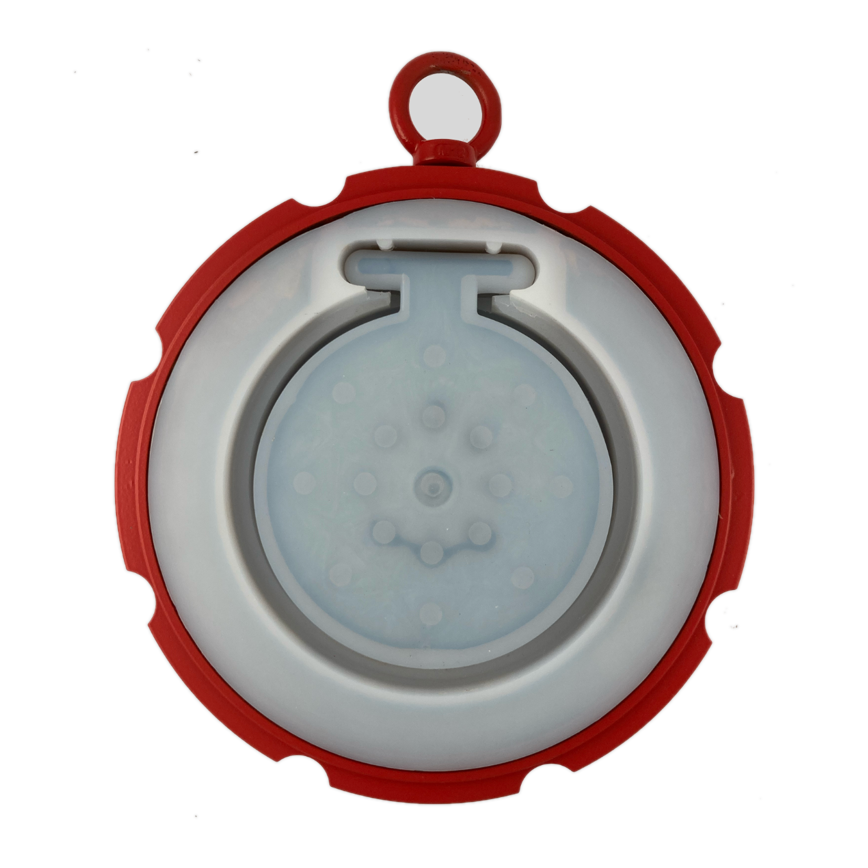
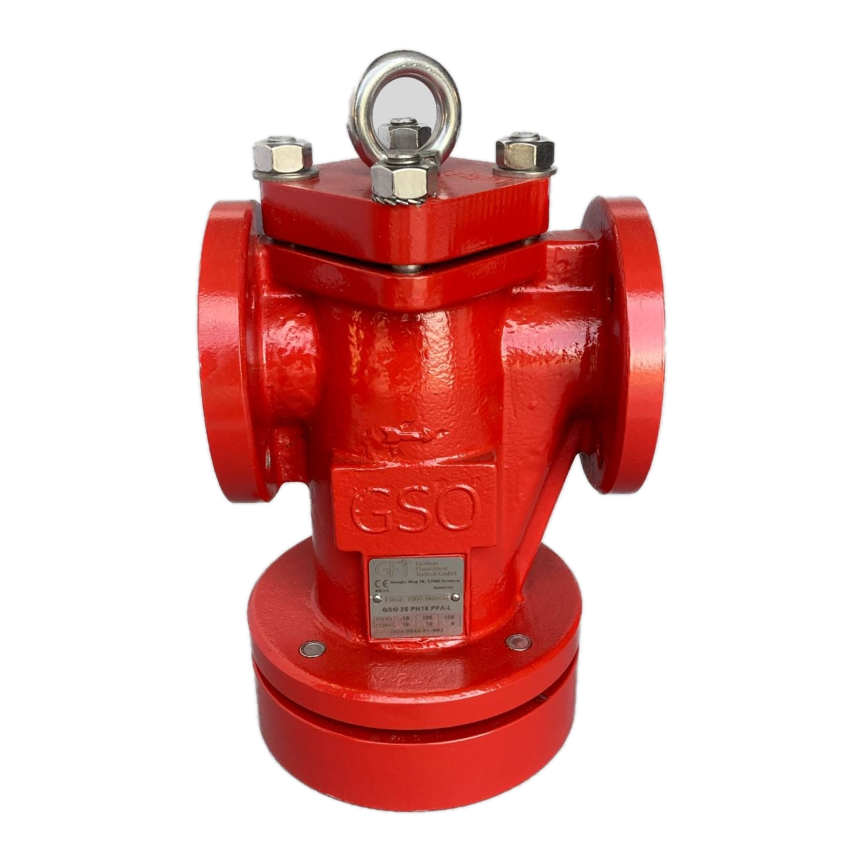
Loop and transfer isolation: Spheron9 ball valve, DN 15 – 200, up to 16 bar. Dosing and pH control: Imperium9 control valve, DN 15 – 100. Pump discharges: Vibron9 swing check, DN 40 – 400, or Prohibron9 ball check, DN 15 – 200. Ahead of pumps and instruments: Purion9 T-strainer, DN 25 – 150.