Corrosion-Resistant Flow Control for Alkaline Electrolysis and Hydrogen Processing
The global transition to green hydrogen demands components engineered for the conditions of electrolysis. Alkaline water electrolysis is an established technology for large-scale hydrogen production. It uses a potassium hydroxide (KOH) solution, typically 20–30 %, as the electrolyte. This caustic medium, combined with elevated temperatures and the presence of hydrogen and oxygen gases, creates severe corrosion challenges for conventional materials.
GFT9 manufactures PFA-lined ball valves, control valves, ball check valves, sight glasses and strainers for these conditions. Our components provide flow control and process monitoring in the electrolyte circuit of the electrolyzer and in the water and conditioning systems around it.
Alkaline water electrolysis (AEL) uses an alkaline electrolyte, typically a 20–30 % potassium hydroxide (KOH) solution, to conduct ions between the electrodes where water is split into hydrogen and oxygen.
The Corrosion Challenge:
At operating temperatures between 60 and 90 °C, concentrated potassium hydroxide attacks many metals, including the stainless steel grades commonly used in process equipment. Corrosion contaminates the electrolyte, reduces efficiency and leads to premature equipment failure. The nascent hydrogen and oxygen at the electrodes add an environment in which hydrogen embrittlement and oxidation can compromise metallic components.
Why PFA is the Solution:
PFA resists potassium hydroxide at alkaline-electrolysis conditions; check your electrolyte and temperature with us. Unlike metallic alternatives, PFA:
Does not react with KOH, NaOH and other alkaline solutions
Keeps metal ions out of the electrolyte, because the wetted path is PFA
Has valve limits of +150 °C to +200 °C by product: +200 °C Spheron9, Prohibron9 · +180 °C Imperium9 · +150 °C Purion9, Videron9
By lining valve bodies, sight glass housings and strainer bodies with virgin PFA, GFT9 combines the mechanical strength of cast steel or stainless steel bodies with a PFA wetted path for alkaline electrolysis systems.
Applications
Applications Across the Hydrogen Value Chain
Green hydrogen production facilities need corrosion-resistant components at several points of the process. GFT9 products serve the electrolyte circuit and the systems around it.
Electrolyte Circulation Systems
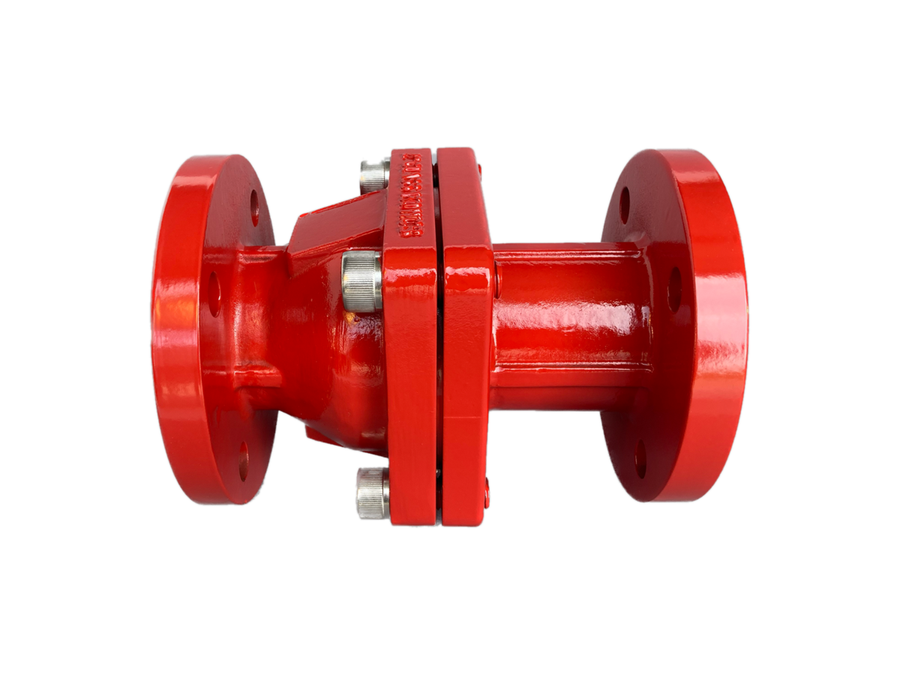
The KOH electrolyte circulates continuously through the electrolyzer stack, so pumps, valves and instruments are in constant contact with the caustic solution. PFA-lined ball valves isolate lines for maintenance, PFA-lined control valves regulate electrolyte flow rates, and ball check valves prevent backflow during shutdown or upset conditions. Videron9 sight glasses have a PFA-lined body for checking flow, colour and level; an FEP foil liner between glass and medium is available on request.
After electrolysis, hydrogen and oxygen must be separated from entrained electrolyte droplets. The separation vessels and their piping carry both the caustic liquid phase and the gas phase. For these duties, send us your medium, pressure and temperature and we confirm which valve fits.
Electrolyte Conditioning
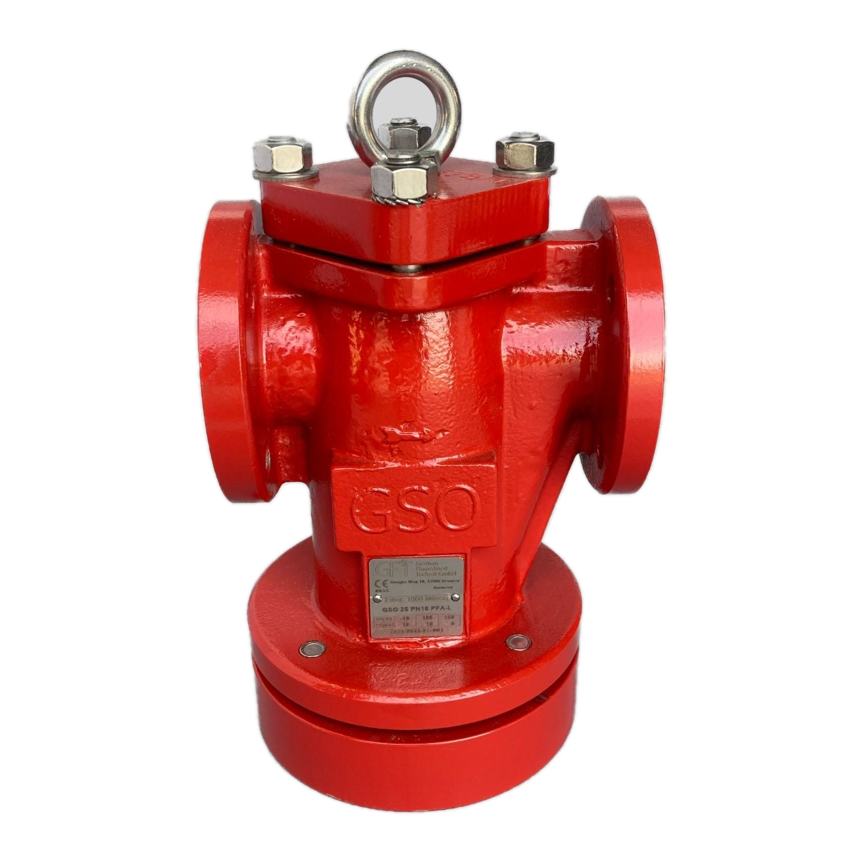
Electrolyte quality matters for a long electrolyzer life. Filtration removes particulates and degradation products, and PFA-lined strainers protect pumps, control valves and instruments downstream.
The downstream hydrogen stream is less aggressive than the electrolyte circuit, but trace moisture and residual alkalinity can still attack metallic parts. For hydrogen gas service, tell us pressure, temperature and purity requirements and we check the design with you.
Water Treatment and Deionization
Feed water for electrolysis must meet strict purity requirements. In the treatment systems that handle deionized water and the chemicals used with it, PFA-lined valves keep the wetted path free of metal.
PFA lining resists the media listed above in alkaline electrolysis; see the PFA chemical resistance guide. For PEM or other hydrogen production methods, contact us. Temperature limits shown are conservative for continuous service; the valve's own limit is its P-T rating. Contact us for your media and conditions.
Excellent full resistance, continuous service · Good suitable for most applications · Limited check the conditions with us. Ratings refer to the PFA lining; the valve's own pressure–temperature rating also applies.
Products
PFA-Lined Products for Hydrogen Production
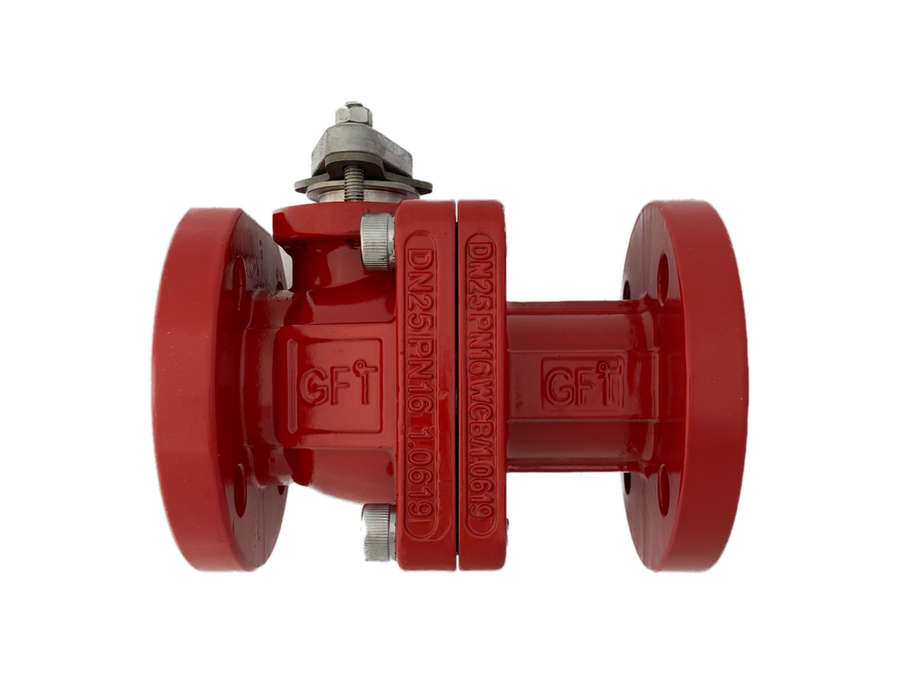
PFA-Lined Ball Valves — Spheron9
Full-bore isolation with a one-piece PFA-lined ball-stem and two-stage blow-out protection; manual or actuated.
DN 15 – DN 200 / NPS ½" – 8" · up to 16 bar · −10 °C (1.0619) or −60 °C (1.4408 / 1.4409) up to +200 °C, see P-T diagram · TA-Luft leakage class BH (DN 10 – DN 150, certified −20 °C to +180 °C) · actuator mounting to EN ISO 5211.
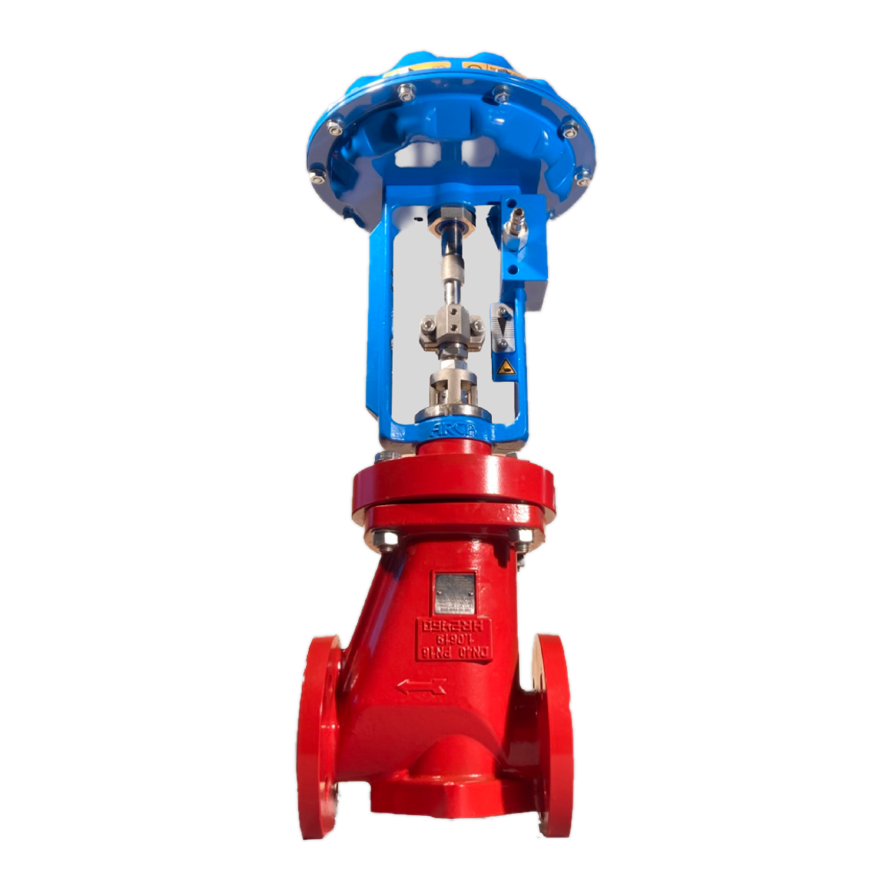
Globe control valve with PFA-lined body and PFA bellows stem seal for regulating electrolyte flow and dosing; pneumatic actuation optional. Designed and manufactured to PED 2014/68/EU.
DN 15 – DN 100 / NPS ½" – 4" · up to 16 bar · −60 °C up to +180 °C, depending on body material.
Project Highlight: In 2025, GFT9 delivered 29 PFA-lined pneumatic control valves for a large-scale green hydrogen facility in Northern Europe. The valves, ranging from DN 25 to DN 100, were manufactured to full PED compliance with witness testing, comprehensive documentation packages, and digital valve passports for lifetime traceability.
Every valve is tested before delivery to DIN EN 12266-1.
EN 10204 3.1 material certificates with heat numbers.
Pressure-bearing products designed and manufactured to PED 2014/68/EU; the Spheron9 ball valve additionally certified under Module A2 with notified body 0035 and type-tested to TA-Luft (leakage class BH, DN 10 – DN 150, certified −20 °C to +180 °C).
Is PFA suitable for the KOH electrolyte of an alkaline electrolyzer?
PFA lining resists potassium hydroxide electrolyte and keeps metal ions out of it. The valve sets the temperature limit: +150 °C to +200 °C by product. Check your conditions with us.
PFA or PTFE lining — what is the difference?
Both are fully fluorinated plastics with almost universal chemical resistance. PTFE cannot be melted, so PTFE liners are pressed and sintered. PFA can be melted, so we transfer-mould it into the valve body: the lining is dense, anchored in the body and follows complex shapes. If your specification says "PTFE-lined", a PFA-lined valve meets the same chemical duty — ask us for a comparison for your medium.
Which PFA-lined valve goes where?
Spheron9 ball valves isolate electrolyte lines, DN 15 – 200. Imperium9 control valves regulate flow, DN 15 – 100. Prohibron9 ball check valves prevent backflow, DN 15 – 200. Videron9 sight glasses show flow and level, DN 15 – 250. Purion9 T-strainers protect pumps and instruments, DN 25 – 150. Tell us your duty and we confirm the fit.
Discuss Your Hydrogen Project Requirements
Whether you are specifying components for a new electrolyzer installation, replacing existing equipment or developing solutions for unique process challenges, our technical team supports your project.
Beyond standard valves, GFT9 makes PFA-lined components to your drawing. See our custom PFA lining solutions.
Contact Options:
Email: sales@gft9.shop Phone: +49 2152 9148591
We provide chemical compatibility checks and application-specific recommendations.