Copper Smelting & Refining

PFA-Lined Valves for Copper Smelters, Acid Plants and Tankhouses

Every primary copper smelter is also a sulfuric acid producer

A copper smelter turns sulfur from the concentrate into sulfuric acid. A single primary smelter in south-east Europe produces more than a million tonnes of acid a year — next to its copper.

That acid passes through a long chain before it reaches a customer: gas cleaning with weak, contaminated acid, the acid plant, cooling, storage, rail loading and the export terminal. After the smelter, the copper anodes go to a tankhouse where a hot sulfuric acid electrolyte circulates around the clock.

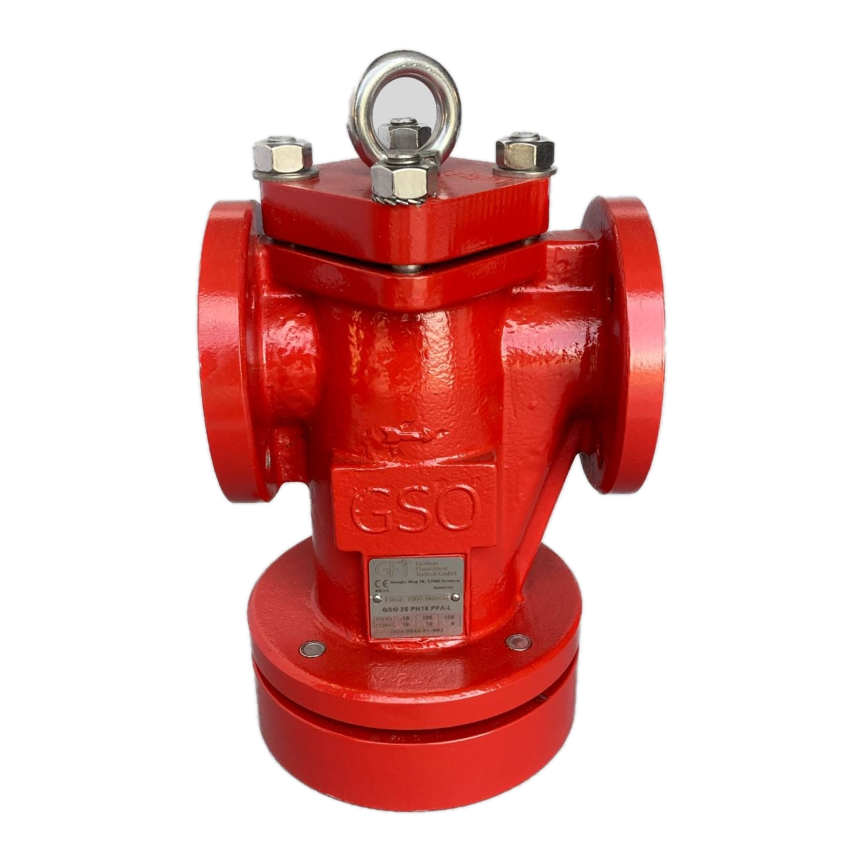
GFT9 PFA-lined valves fit the points in this chain where dilute or contaminated acid defeats steel and glass — and we tell you honestly where a high-alloy valve is still the better choice.

View the Ball Valve Range →

Why PFA

Why PFA in a Smelter

Weak acid is the hard part. In gas cleaning, circulating weak acid cools the off-gas and scrubs out dust, arsenic, fluorides and chlorides. Fluorides attack glass, and chlorides attack stainless steel. PFA resists both.

Product acid meets water. Concentrated acid is stored and shipped in carbon steel because an iron sulfate film protects it. Water from tank breathing, washing and flushing destroys the film exactly at nozzles, outlets and loading points. A lining has no film to lose.

Electrolyte runs hot, all year. Copper electrorefining electrolyte carries about 180–200 g/l sulfuric acid with copper, nickel and arsenic at 60–65 °C. Valves on circulation, bleed and purification lines see that duty continuously.

One lining for many media. The same PFA-lined valve handles weak acid, product acid, electrolyte, caustic for neutralisation and hydrochloric acid in refining steps — one spare-parts stock instead of several alloys.

Where we do not fit. Hot strong-acid circulation in drying and absorption towers (93–99 %, up to about 120 °C) is traditionally an alloy duty. Slurries with coarse solids erode any soft lining. For those points we will say so.

Applications

Applications in Copper Smelting and Refining

Gas cleaning and weak acid

Weak-acid circulation, bleed and transfer to effluent treatment — acid with fluorides, chlorides and fine dust.

Product acid: cooling outlet, storage and loading

Tank outlets, transfer lines, rail-loading stations and terminal transfer, where dilution and velocity attack carbon steel.

Tankhouse and electrolyte

Electrolyte circulation, bleed to purification and filtration around the refining cells, at 60–65 °C.

Refining and by-product recovery

Hydrochloric acid and chlorination steps in precious-metals recovery, where these are run on site.

Effluent and neutralisation

Acid feed and caustic or lime dosing in wastewater treatment.

Sampling and quality control

Representative samples of product acid and electrolyte without opening the line.

Chemical resistance

Typical media and PFA resistance

MediumFormulaConcentrationMax. temp.Rating
Sulfuric Acid (acid plant product)H₂SO₄93 – 98%120 °C Excellent
Weak Acid from Gas CleaningH₂SO₄ with HF / HCl traces5 – 30%80 °C Excellent
Copper ElectrolyteCuSO₄ / H₂SO₄Tankhouse electrolyte80 °C Excellent
Hydrochloric AcidHClAll concentrations to 37%120 °C Excellent
Nitric AcidHNO₃All concentrations to 70%80 °C Excellent
Sodium HydroxideNaOHAll concentrations to 50%120 °C Excellent

Ratings cover chemical attack on the PFA lining. Abrasive solids in weak-acid and slurry lines need a separate check — tell us the solids content. Temperature limits shown are conservative for continuous service.

Excellent full resistance, continuous service · Good suitable for most applications · Limited check the conditions with us. Ratings refer to the PFA lining; the valve's own pressure–temperature rating also applies.

Products
PFA-Lined Products for Smelters and Refineries

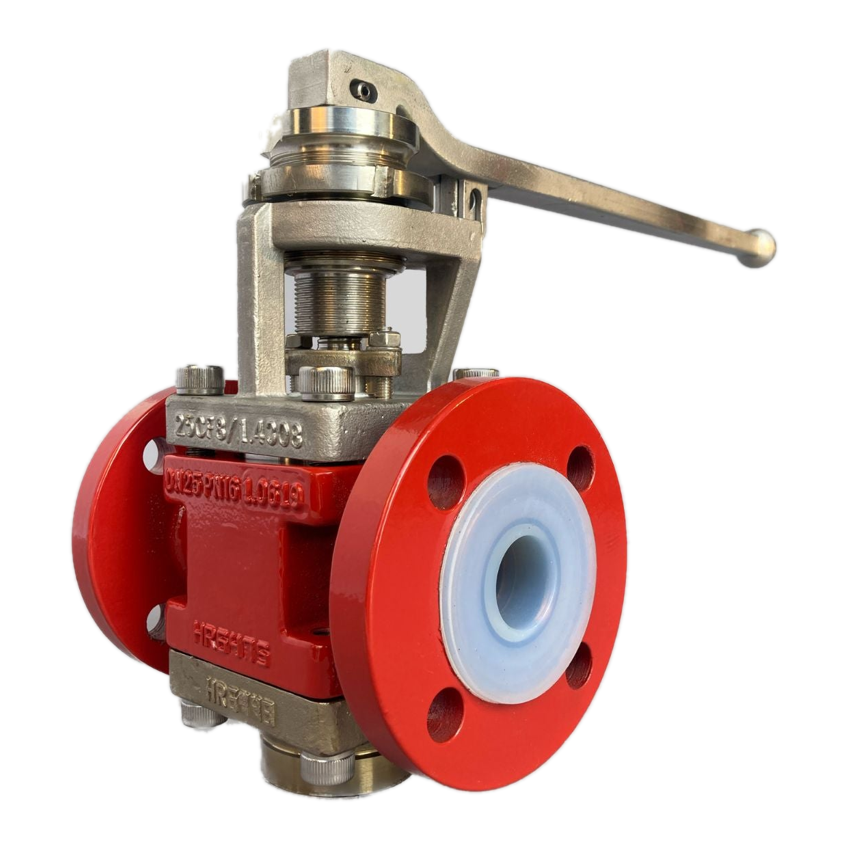
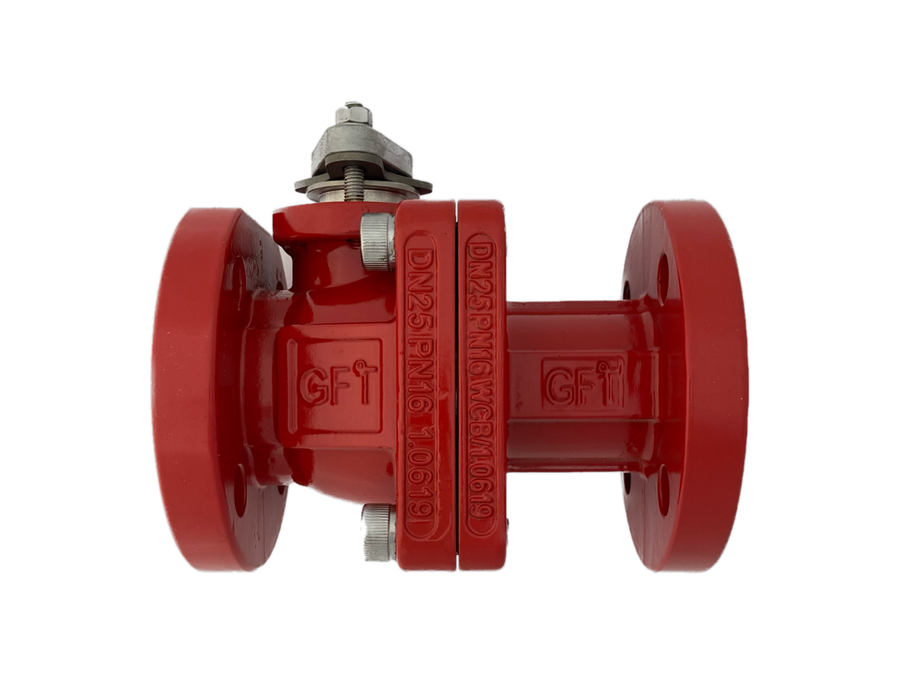
PFA-Lined Ball Valves — Spheron9

PFA-Lined Ball Valves — Spheron9

Full-bore isolation for weak-acid, product-acid and electrolyte lines, manual or actuated.

DN 15 – DN 200 / NPS ½" – 8" · up to 16 bar · up to +200 °C, see P-T diagram · TA-Luft leakage class BH (DN 10 – DN 150) · actuator mounting to EN ISO 5211.

View Ball Valve Range →
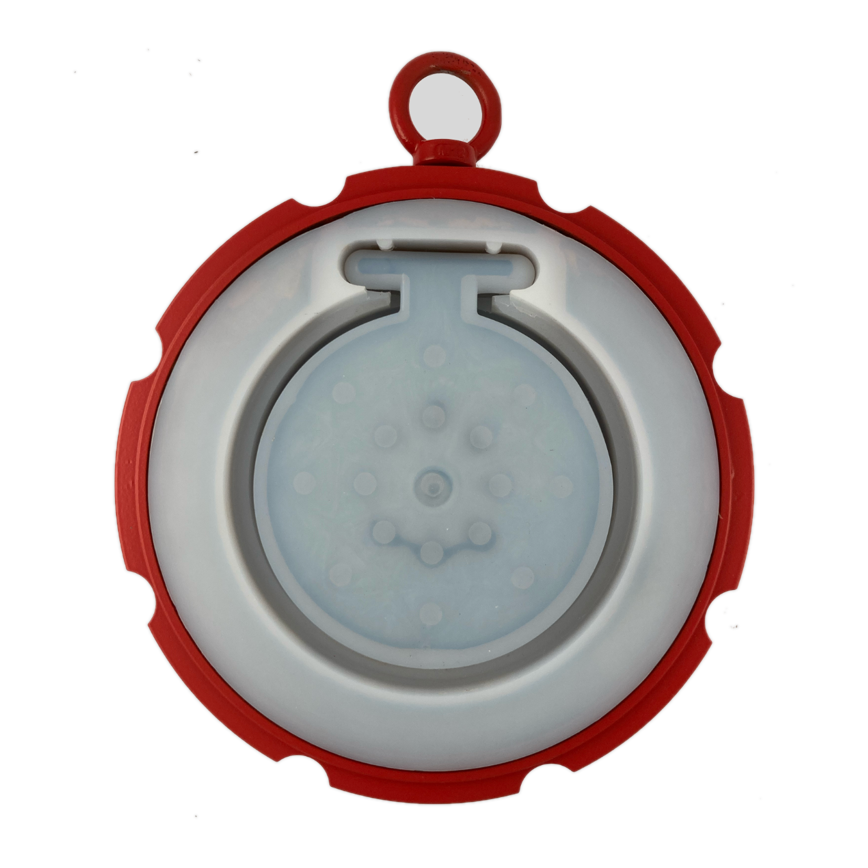
PFA-Lined Check Valves — Vibron9 and Prohibron9

PFA-Lined Check Valves — Vibron9 and Prohibron9

Swing check valves up to DN 400 and ball check valves against backflow on pump discharges — the failure that lets water into acid lines.

View Swing Check Valve Range →
PFA-Lined T-Strainers — Purion9

PFA-Lined T-Strainers — Purion9

Protection of pumps, control valves and instruments on weak-acid and electrolyte lines, with removable PTFE baskets.

View Strainer Range →
PFA-Lined Sample Valves — Provaron9

PFA-Lined Sample Valves — Provaron9

Sampling of product acid and electrolyte from lined lines without opening the system.

View Sample Valve Range →

Quality

Quality and Documentation

  • Every valve is pressure-tested before delivery to DIN EN 12266-1.
  • EN 10204 3.1 material certificates with heat numbers.
  • Pressure-bearing products designed and manufactured to PED 2014/68/EU; the Spheron9 ball valve additionally certified under Module A2 with notified body 0035 and type-tested to TA-Luft (leakage class BH, DN 10 – DN 150).
  • Designed in Kempen, Germany · country of origin Germany.

FAQ

Questions we are often asked

Where do lined valves fit in a copper smelter?

In gas cleaning (weak acid with fluorides and chlorides), product acid storage and loading, and tankhouse electrolyte. Hot strong-acid circulation in drying and absorption towers is an alloy duty, and coarse slurries erode any lining.

PFA or PTFE lining — what is the difference?

Both are fully fluorinated plastics with almost universal chemical resistance. PTFE cannot be melted, so PTFE liners are pressed and sintered. PFA can be melted, so we transfer-mould it into the valve body: the lining is dense, anchored in the body and follows complex shapes. If your specification says "PTFE-lined", a PFA-lined valve meets the same chemical duty — ask us for a comparison for your medium.

Which documents come with the valves?

Every valve is tested to DIN EN 12266-1 and ships with EN 10204 3.1 material certificates. Pressure-bearing products are designed and manufactured to PED 2014/68/EU; the Spheron9 ball valve is additionally certified under Module A2 and type-tested to TA-Luft. On request we add an FDA conformity declaration for the PFA wetted parts and a TSE/BSE statement.

Discuss Your Smelter or Refinery Application

Tell us the medium — weak acid, product acid, electrolyte or refining chemicals — with concentration, temperature, pressure and solids content, and we will tell you where a lined valve fits and where it does not.

We work with smelter and refinery operators, acid-plant engineering companies, maintenance contractors and local distribution partners.

Email: sales@gft9.shop Phone: +49 2152 9148591

Request Quotation →

연락처 양식